
• ComicValue Editorial
Avengers Comic Book Value Guide: Key Issues
Identify important Avengers comics from the 1963 series, verify first appearances and numbering, and compare editions and condition before researching value.
Read Article
Deep dives into comic values, grading explanations, and market trends to help you manage your collection like a pro.
Start your research on mobile.
Explore ComicValue, then verify the edition, condition and comparable sales.


Identify important Avengers comics from the 1963 series, verify first appearances and numbering, and compare editions and condition before researching value.

Compare CBCS, CGC and PGX by grading, holders, signature handling and submission questions. Choose a service by your goal instead of a universal ranking.

Learn open, incentive, ratio and exclusive variant terms, verify the edition, and compare completed sales without turning an order ratio into a print-run claim.

Learn how first appearance, cameo, origin, and first cover terms differ, then build a like-for-like comic value comparison without overstating a debut claim.

Identify Copper Age key comics, check editions and condition, understand flexible era boundaries, and compare matching completed sales.

Inspect a comic collection before buying: verify counts, sample keys, assess condition, budget total costs, and make an offer you can explain.

Compare Overstreet and online comic price guides by evidence, update speed, edition detail, and use case before researching a value.

Learn how to document signed comics, separate witnessed from unwitnessed signatures, and compare grading or authentication paths without assuming a premium.

Identify X-Men, Uncanny X-Men, Giant-Size X-Men and 1991 issues, separate team debuts from later milestones, and research comparable values carefully.

Identify Whitman and multipack comic editions by distribution clues, then compare matched sales without assuming every diamond mark or barcode omission is rare.

Identify Amazing Spider-Man keys, distinguish black-suit and Venom milestones, and compare editions, condition, inserts, and completed-sale evidence.

Research Bronze Age comic values with key-issue checks, original-versus-reprint clues, condition notes, and a practical comparable-sales worksheet.

Learn how to photograph, describe, price, list, pack, and ship comic books on eBay while separating research evidence from seller assumptions.

Learn how to store comic books safely with the right sleeves, boards, boxes and room conditions. A practical preservation routine for raw collections.

Learn how newsstand and direct editions differ, how to identify them safely, and when a premium is supported by matching sales rather than a fixed multiplier.

Find useful comic book sold prices on eBay, check accepted offers, separate raw and graded copies, and build a defensible range from comparable sales.

Learn what a comic book value scanner can miss, how to check the edition and condition, and when to verify an estimate against real sold prices.

Prepare a CGC comic submission: identify editions, choose a suitable tier, budget the full order, document condition and check current packing instructions.

Check a comic's indicia, publication date, printing statement and cover details to distinguish first printings, later printings, variants and facsimiles.

Inventory a comic collection, separate research-worthy books from bulk lots, and compare retail estimates with realistic whole-collection sale scenarios.
Find the right comic book appraisal route: free estimates, dealer offers or a paid report. Compare scope, fees and evidence before booking or shipping.
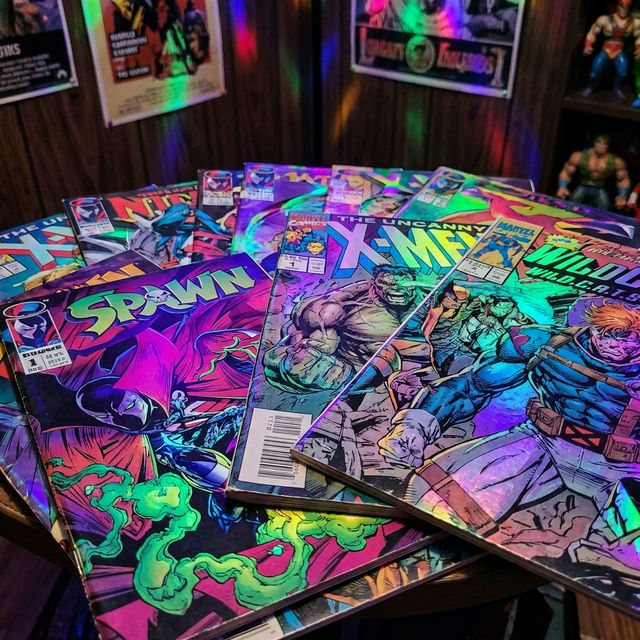
Learn how to identify New Mutants #98, Deadpool's first appearance, compare raw and graded sales, and avoid common mistakes when researching its value.
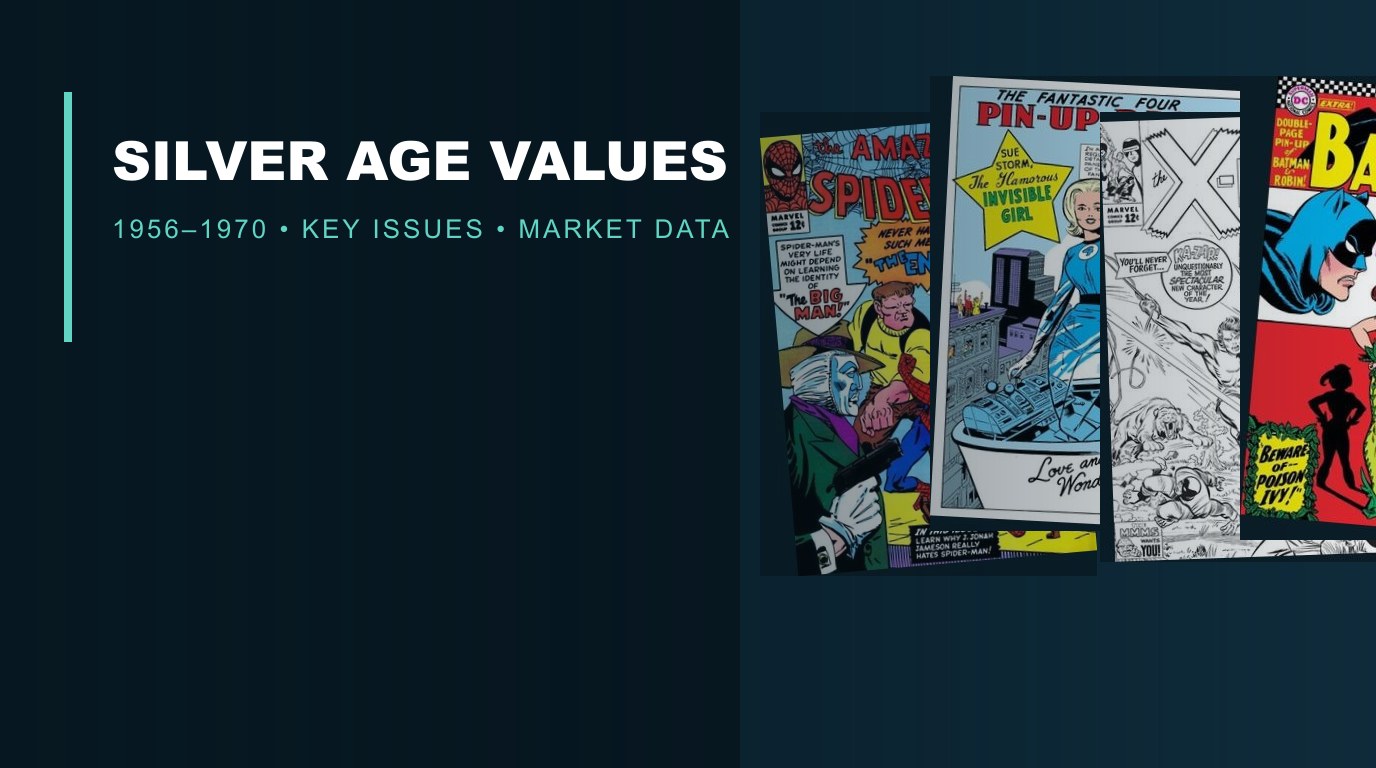
Explore Silver Age comic book values, top Marvel & DC key first appearances, paper rarity factors, and investment growth trends for 1956–1970 comics.

Understand comic pressing, dry cleaning and restoration. Check current CGC base fees, assess risks and compare added costs without promising a grade increase.
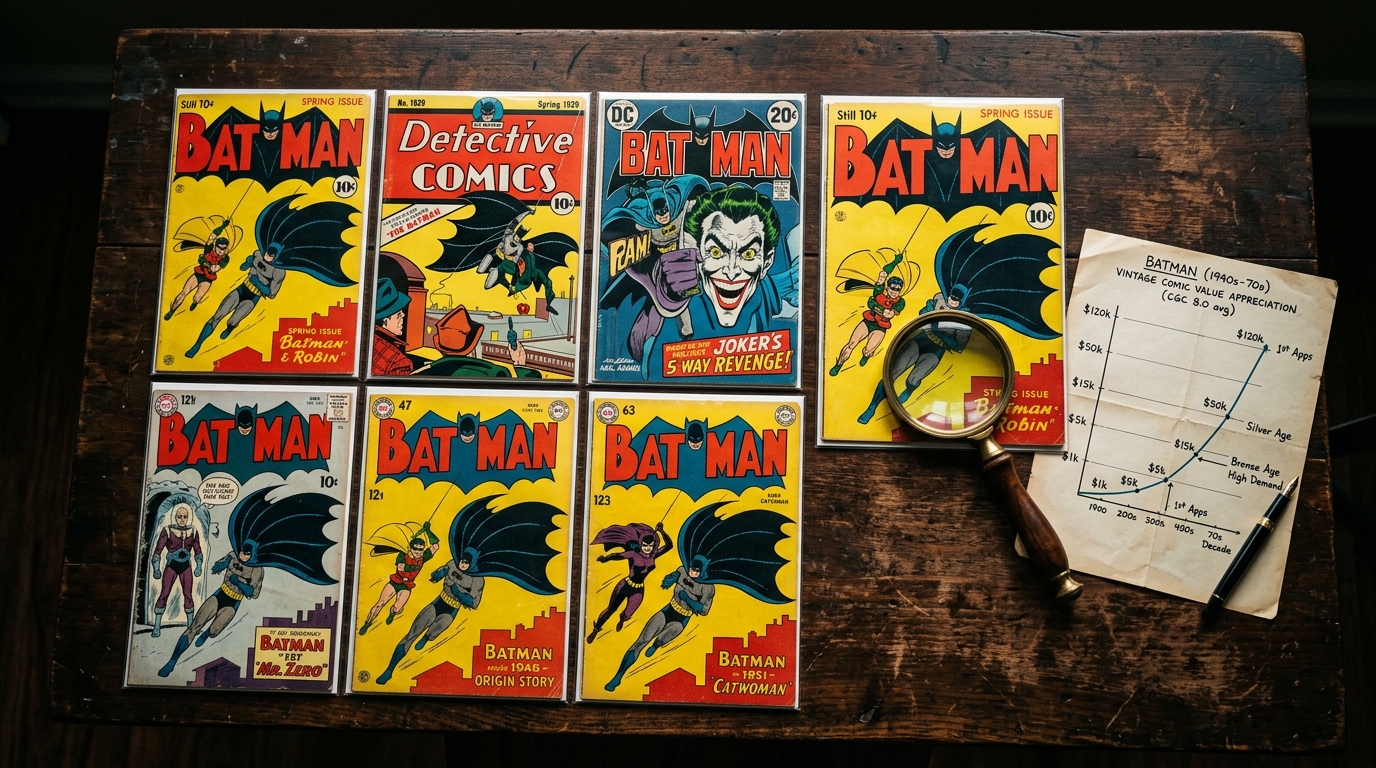
Discover the most valuable Batman comic books from Golden Age holy grails to high-demand Modern Age keys. Learn how condition, era, and first appearances drive Batman comics value.

Compare comic cover scanners, collection apps and sold-price tools. Learn what free means, what to verify, and which workflow fits your collection.
Look up comic values by exact issue, printing and condition. Compare apps, sold listings and price guides, with a worksheet for recording reliable evidence.

Evaluate modern comics using matched sold prices, edition checks, grading costs and resale risk. Work through a practical budget before buying a speculative key.

Scarcity, first appearances, key events, and cultural relevance — these are the four factors that drive comic book value up over time. Here's how to spot them.

Blue-chip comics have historically outperformed the S&P 500, but the market is volatile. Here's an honest data-driven look at comic book investing in 2026.

Compare CGC grading prices with one-book and five-book budgets. Include handling, return shipping, optional pressing and the costs a headline fee leaves out.
Use the CGC 0.5–10.0 comic grading chart, decode FN/VF and NM/M, and learn what to inspect before comparing raw and certified comics or paying for grading.

Compare raw and CGC-graded comics with a practical net-proceeds worksheet. Include grading costs, selling fees and uncertain outcomes before submitting.

Use these 7 quick checks to spot valuable comics at a garage sale or in your attic: first appearance, cover price, newsstand vs. direct, condition, publisher, barcode, and scanning.

CGC 9.8 means Near Mint/Mint, not flawless or a fixed price. Learn how it differs from 9.6, check labels and compare matching sold copies.

Golden Age comics (1938–1956) are the market's foundation. Learn why they're so rare, what the key issues are, and how to avoid the restoration trap when valuing them.
Most 90s comics are worth $2–$10 due to massive print runs. But a few 90s keys — like New Mutants #98 (1st Deadpool) — are worth thousands. Here's how to tell which you have.

From Action Comics #1 to Amazing Fantasy #15, these are the most valuable comic books ever sold. Learn what makes them worth millions and how to spot future grails.

Identify your comic's edition, document condition, compare matching sold prices and calculate a useful value range with a worked example and research worksheet.