

Comic Book Appraisal: Free or Professional?
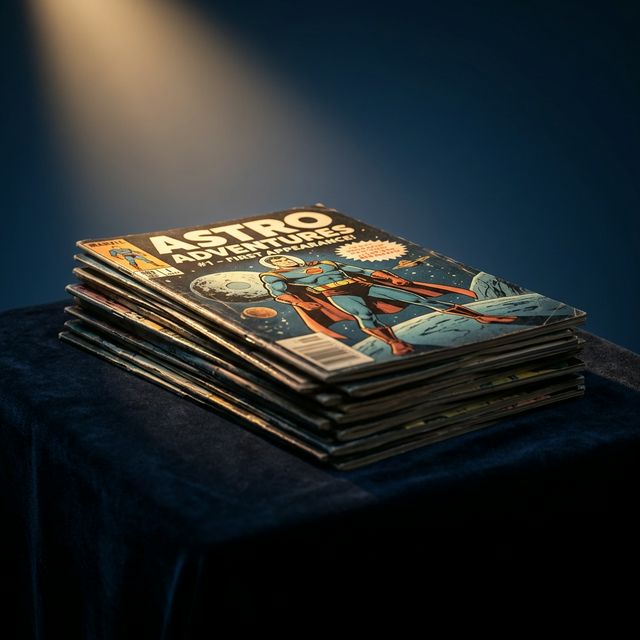
If you have inherited a longbox, are preparing to sell a collection, or simply want to know what you own, a comic book appraisal can feel like the obvious next step. The right option depends on the decision you need to make.
A quick market estimate is useful for sorting ordinary books from items that deserve more research. A formal appraisal is different: it is a written opinion of value prepared for a particular purpose, such as insurance, an estate, a donation, or a sale. Knowing the difference helps you spend money only where it adds value.
Quick answer: Start with a free identification and market-research pass for the whole collection. Use a qualified professional appraiser when a third party needs formal documentation or when the collection contains high-value, rare, or difficult-to-identify books.
What Is a Comic Book Appraisal?
An appraisal is an opinion of value at a stated point in time. A useful appraisal should explain what was examined, the purpose of the valuation, the condition assumptions, and the market evidence used to reach its conclusion.
That is more than an online price estimate. Comic markets are especially sensitive to details that a broad search can miss:
- The exact title, volume, issue, printing, and edition
- Direct-market, newsstand, Canadian price, or other variant status
- Raw condition or the grade and label of a certified copy
- Restoration, signatures, missing inserts, and production defects
- Recent sales of genuinely comparable copies
For everyday collecting, a current range based on recent comparable sales is often enough. For legal, insurance, tax, or estate decisions, confirm the documentation requirements with the insurer, attorney, tax adviser, or organization requesting the valuation before paying for an appraisal.
Free Market Estimate vs. Professional Appraisal
Free market research
Free research is the best first pass for most collections. It helps you identify titles and likely key issues, understand relative value, and decide which books deserve a closer look.
Start by scanning or cataloguing the books, then check recent completed sales for the exact issue and condition. The ComicValue app can help identify covers and build a research list; use it alongside our guide to finding comic book value.
Free research works well when you are:
- Sorting a personal collection
- Deciding which books to bag, board, or store more carefully
- Preparing a list for a local comic shop or potential buyer
- Checking whether a book is likely worth professional grading
It is not a substitute for a condition grade, authentication, or formal written report.
Paid professional appraisal
Pay for a professional appraisal when the cost of getting it wrong is meaningful. The right professional can inspect the books in person, document condition, and prepare a report suited to the stated purpose.
Consider this route when you need:
- An insurance schedule or a claim-supporting record
- Estate, donation, tax, or legal documentation
- A valuation for a rare Golden Age book, a major key, or a large collection
- Help identifying restoration, counterfeits, or unusual variants
- An independent opinion before a high-value private sale or auction consignment
Ask the appraiser what they specialize in, what their fee covers, whether they have a conflict of interest in buying the collection, and what report format they will provide. A dealer can offer a useful purchase price, but that is not necessarily the same as an independent appraisal.
Where Can You Get Comic Books Appraised?
Local comic shops
A reputable local comic shop can be an excellent starting point, especially for a manageable collection. Shops see local demand and may quickly identify books worth separating from bulk issues.
Before you go, call ahead and ask whether the shop evaluates collections, whether an appointment is required, and whether there is a consultation fee. If the shop wants to buy the books, treat its offer as one data point and compare it with recent sales or another buyer’s offer.
Comic conventions
Conventions can put you in front of specialist dealers who know particular eras, publishers, or characters. They are useful for a second opinion on a few key books, but the busy environment is not ideal for an entire collection. Bring a short, organized list and photos rather than loose longboxes whenever possible.
Online research and remote specialists
Online research is convenient when you need to identify books before deciding what to do next. Clear front and back cover photos, a photo of the indicia, and notes about visible flaws make any remote discussion more useful.
For a remote paid appraisal, ask how the specialist will inspect condition and how they handle items that need in-person review. Never ship high-value books without understanding insurance, tracking, and the professional’s intake process.
Auction houses and consignment specialists
For exceptional books or collections, a major auction house or specialist consignment service may provide market insight and a sales route. Their estimate is usually aimed at a sale context, so ask how fees, reserves, commissions, and timing affect your net proceeds.
This route tends to make more sense for material with a clear collector market than for large quantities of common modern issues.
How to Prepare a Collection for an Accurate Valuation
If you are starting with several boxes, our collection valuation workflow explains how to inventory them, prioritize individual research and separate retail estimates from whole-collection offers.
Preparation makes the appraisal faster, less expensive, and more accurate.
- Do not clean, press, or repair books yourself. Amateur work can damage a comic or create restoration concerns. Read our pressing and cleaning guide before considering any work.
- Sort by publisher, title, and approximate era. Keep complete runs together and set aside books with unfamiliar titles, early cover prices, or prominent first appearances.
- Create a simple inventory. Record title, issue, year, any visible variant details, and whether the copy is raw or graded.
- Photograph key candidates. Photograph the front and back cover in even light. Do not remove books from protective sleeves unnecessarily.
- Note condition issues without guessing a grade. Creases, detached covers, water exposure, missing pages, and writing all matter. Our comic grading scale explanation can help you use consistent terms.
- Keep provenance and prior records. Old purchase receipts, certification numbers, and prior appraisals may help establish the history of important books.
How to Research a Fair Market Range
Use the eBay sold-price worksheet to record matching editions, accepted-offer uncertainty and shipping consistently.
For a market estimate, the objective is not to find the highest listing online. It is to find recent completed sales of books that are truly comparable.
Match each sale as closely as you can by:
- Issue and printing
- Variant or edition
- Certified grade or a realistic raw-condition range
- Presence of signatures, restoration, or defects
- Date of sale and venue
Use several comparable sales, not one. If the sales vary widely, investigate why before using an average. A high-grade certified copy, a rare variant, or an auction with unusual publicity can skew a simple price comparison.
You can also read how to tell whether a comic is valuable to decide which books in a mixed box warrant this level of research.
For a practical example of this process on a well-known modern key, see our Deadpool first appearance value guide. It shows why the issue, condition, and sale context all need to match before you treat a past sale as a useful comparison.
When Is Grading Worth Considering?
Grading can make it easier for buyers to understand a book’s condition, but it has costs, turnaround time, and risks. It is usually a decision for a specific book, not a default step for every comic in a collection.
Before submitting anything, compare the likely value difference between a raw copy and a graded copy, then account for grading, pressing, shipping, insurance, and selling fees. Our CGC grading cost guide and CGC versus raw comics guide walk through that decision.
Questions to Ask Before You Pay for an Appraisal
The right questions make it easier to compare services and avoid paying for a report that does not fit your purpose. Ask whether the fee is hourly, per book, or based on the size of the collection; what photographs and inventory details are included; and whether the appraiser will inspect the books in person. For a large collection, ask whether there is a preliminary triage service that separates potential keys from common inventory.
Also ask whether the appraiser or their business intends to buy the collection. A purchase offer can be convenient, but it should be understood as an offer from a potential buyer, not automatically an independent value conclusion. Keep a copy of the scope, date, and supporting notes for any paid report, especially if it will be used for insurance, estate, or donation records.
A Sensible Appraisal Workflow
- Scan or inventory the whole collection.
- Separate likely keys, older books, variants, and certified copies.
- Check recent comparable sales for those candidates.
- Get at least one independent perspective before accepting an offer on significant books.
- Commission a professional appraisal only when the purpose, value, or documentation requirement justifies it.
This workflow gives you a clearer picture of the collection before you spend money, ship books, or make a sale.
The Bottom Line
Most collectors do not need a formal appraisal for every comic. They need a reliable way to identify what they own and a careful comparison of recent market sales. Start there, then bring in a qualified specialist when the collection or decision warrants formal documentation.
For more context about what ComicValue can and cannot provide, see the valuation disclaimer. You can also browse the full Comic Book Value Guides hub for grading, storage, and pricing resources.
Explore Key Comic Price Guides
Action Comics #1 (1938)
Explore the issue and valuation context
Detective Comics #27 (1939)
Explore the issue and valuation context
Amazing Spider-Man #300 (1988)
Explore the issue and valuation context
Incredible Hulk #181 (1974)
Explore the issue and valuation context
Browse our master price guide directory for 250+ key issues.