

Deadpool First Appearance Value Guide
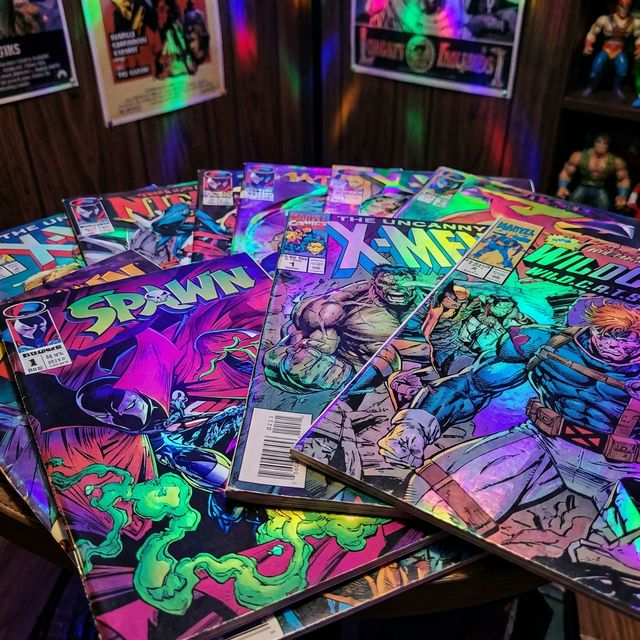
New Mutants #98 is one of the most recognized modern key issues because it is widely collected as Deadpool’s first appearance. It is also a good example of why comic-book value research needs more than a title and issue number: condition, edition, certification, and the date of comparable sales can all change the result.
This guide explains how to identify the book, compare current market evidence, and decide whether a raw copy deserves more research. It is not a fixed-price list. Comic markets move, and a value range should always be based on recent sales of genuinely comparable copies.
Quick answer: To research a New Mutants #98 value, first confirm the issue and edition, then compare recent sales that match your copy’s condition. A certified 9.8, a lower-grade raw copy, and a book with restoration are not interchangeable benchmarks.
Why New Mutants #98 Matters
Published in the early 1990s, New Mutants #98 introduced Deadpool and became a central book for collectors of modern Marvel keys. Its popularity is driven by the character’s enduring cultural profile, strong demand for first appearances, and the fact that high-grade examples can be more difficult to find than an uninspected copy may suggest.
The book is not valuable simply because it is old or because it features a popular character. Its market depends on the specific copy in front of you. That is why the same issue can trade at dramatically different levels across conditions and formats.
How to Identify a New Mutants #98 Copy
Start with the cover, but do not stop there. Use the indicia inside the comic to confirm the title, issue number, and publication information.
Check the following details:
- Title and issue number. Confirm that the book is New Mutants #98, not a reprint, trade paperback, or later Deadpool appearance.
- Cover condition. Look for color-breaking spine ticks, corner blunting, creases, scratches, and gloss loss.
- Barcode or price box. This may help distinguish distribution formats and variants. Record what you see rather than assuming every copy is identical.
- Interior completeness. Check for missing pages, cut coupons, detached staples, writing, or odors from moisture exposure.
- Certification details. If the comic is already graded, confirm the company, grade, label notes, and certification number before comparing sales.
If you are working through a large 1990s collection, use a cover scanner to create an inventory first, then manually verify the key books. Our guide to how to tell if a comic is valuable helps you prioritize what to inspect.
Raw vs. Graded: Why the Price Gap Can Be Large
A raw copy is an ungraded comic. Its value depends on a buyer’s confidence in the condition, the quality of photos, and the possibility of unseen defects. A certified copy has a stated grade from a third-party grading company, which makes it easier for buyers to compare it with other certified examples.
That does not mean every raw copy should be graded. Grading can cost money and take time, and a low-grade or damaged copy may not benefit enough to justify the process.
When comparing values, keep these groups separate:
- High-grade certified copies: Compare the same grade, label type, and certification context.
- Mid-grade or lower-grade certified copies: Do not use a near-mint result as a shortcut.
- Raw copies: Use conservative condition assumptions and clear front-and-back photos.
- Copies with restoration or significant defects: Treat them as a distinct market; restoration, moisture damage, and missing pieces can materially affect demand.
For a closer look at the trade-off, read CGC vs. raw comics and the current CGC grading cost breakdown.
How to Find a Current New Mutants #98 Value
The best reference point is a group of recent completed sales, not the most ambitious asking price you can find. A disciplined comparison process is more valuable than a single headline result.
1. Collect comparable sales
Find multiple completed sales for copies that match yours as closely as possible. Record the sale date, venue, grade or condition, and any details that could explain an outlier.
2. Match the condition carefully
Minor differences can matter. A single color-breaking spine tick, a blunted corner, or a scratch on a dark cover may lower a potential grade. Do not assume a bagged-and-boarded comic is automatically near mint.
Use the comic grading scale to describe what you see consistently. If condition is uncertain, compare a range of plausible grades rather than selecting the highest result.
3. Exclude non-comparable results
Remove sales that involve a different printing, a signed copy, a special label, a restored copy, a large lot, or a materially different grade. Those results may still be interesting, but they should not set the price for a standard raw copy.
4. Watch the sale date
Demand for character keys can change over time. Give more weight to recent, arm’s-length sales than to old results or listings that never sold.
5. Estimate a range, not a single number
After comparing several sales, create a cautious range that reflects your copy’s condition and the current evidence. This is more useful and more honest than treating one sale as a guaranteed price.
Our comic book value lookup guide explains where to find and compare completed sales.
Common Mistakes to Avoid
Using a CGC 9.8 sale for a raw copy
A top-grade certified result tells you what a top-grade certified result sold for. It does not automatically show what your raw comic is worth. The condition and the cost of reaching that grade matter.
Ignoring restoration and defects
Pressing candidates, staple issues, moisture exposure, color touch, and missing pieces can all affect a buyer’s assessment. If you are unsure, do not perform a repair yourself. Read the comic pressing and cleaning guide before taking action.
Treating all 1990s comics as identical
The 1990s produced both very common books and important keys. New Mutants #98 is a notable key, but even a key issue has a wide value range depending on condition and market timing. Our 90s comic value guide gives more context on the era.
Relying on an asking price
An asking price reflects what a seller hopes to receive. A completed sale shows what a buyer actually paid at a particular time. Always make that distinction when building your research list.
Should You Get New Mutants #98 Graded?
Consider grading only after you have inspected the book, reviewed current comparable sales, and estimated the likely condition range. The decision is most promising when a credible higher grade would meaningfully affect demand and the expected value difference exceeds the full cost of grading, preparation, shipping, insurance, and sale fees.
For a potentially high-value book, it may be worth asking a specialist for an in-person condition opinion before submission. If you need insurance, estate, or other formal documentation, use the process described in our comic book appraisal guide.
Should You Press or Clean a Copy First?
Pressing and cleaning are not automatic upgrades. Some non-color-breaking bends, light surface impressions, or handling wear may be candidates for professional evaluation, while color-breaking creases, tears, stains, and missing pieces generally remain part of the book’s condition. Improper work can create additional problems, so do not experiment on an important key because you hope for a higher grade.
First document the comic with clear photos and identify the visible defects. Then compare the likely market difference between realistic condition outcomes with the complete cost and risk of the work. Our pressing and cleaning guide explains the questions to consider before choosing a service.
Build a Better Research Record
For every key comic you own, keep a simple record:
- Front and back photos taken in even light
- Title, issue, edition, and visible variant details
- Notes about condition and defects
- Certification information, if applicable
- Several recent comparable sales with dates
The ComicValue app can help you begin that inventory with a cover scan, but the final market judgment should still reflect the details of your individual copy.
Keep the record with the comic or in a backed-up collection spreadsheet. When you revisit the value later, you will be able to replace old sales with newer comparables instead of starting the research from scratch.
The Bottom Line
New Mutants #98 is an important Deadpool key, but no two copies have the same market value. Confirm the exact book, assess condition conservatively, and compare several recent sales before deciding whether to sell, insure, press, or grade it.
For a wider view of price research, visit the Comic Book Value Guides hub or browse the master price guide.
Explore Key Comic Price Guides
Action Comics #1 (1938)
Explore the issue and valuation context
Detective Comics #27 (1939)
Explore the issue and valuation context
Amazing Spider-Man #300 (1988)
Explore the issue and valuation context
Incredible Hulk #181 (1974)
Explore the issue and valuation context
Browse our master price guide directory for 250+ key issues.